
Code to Career Awareness & Recruitment Campaign
The Challenge
Code to Career was fully funded; free to qualifying participants. The program itself wasn’t a hard sell.
The challenge was reach and trust. This was a brand new initiative with zero awareness, targeting individuals from specific underrepresented communities who had to self-identify to qualify. That’s not a standard conversion ask. Asking someone to identify as a woman, trans or non-binary, Indigenous, or an ethnic minority in order to access a program requires messaging that earns trust before it asks for anything.
Add a national footprint across eight cities, defined demographic targets baked into the original grant proposal, a partner organization that needed to stay aligned at every stage, and a funding window of just 16 months; and getting the right people into the funnel, fast, was the whole game.
Visual Showcase


/
My Role
As the internal marketing lead, I was the strategic and operational centre of this campaign; the connective tissue between Canada Learning Code, creative agency Academy Inc., and program partner BrainStation.
I owned the campaign strategy, direction, and refinement throughout. Academy Inc. brought the creative concepting and campaign execution. BrainStation needed to be aligned on strategy and every execution decision as a co-delivery partner. My job was to make sure all three stayed pointed in the same direction, at pace, for 16 months.
The
Approach
With zero brand awareness and a tight timeline, the campaign ran on two parallel tracks — paid and organic — each doing different work for the same audience.
On the paid side, Academy Inc. developed the creative concept and managed execution across Meta and Google Display Network. Assets included video content, alumni spotlights, animated ads, and display creative; all designed to reach and convert at scale while positioning Code to Career as a credible, accessible opportunity built specifically for communities tech had historically left out.
On the organic side, we ran a leaner, internally produced stream of social posts and email communications. Less polished by design; organic content that felt native to the communities we were trying to reach rather than broadcast at them. The visual identity stayed consistent across both tracks, but the tone and finish were deliberately different.
Programmatic advertising, print, Spotify audio placements, and broadcast opportunities extended reach beyond social because the self-identification ask required multiple meaningful touch points before someone would raise their hand and apply.
Media relations and government engagement ran alongside the paid campaign, resulting in coverage from major national news outlets and active participation from elected officials at the municipal, provincial, and federal levels.
Media Coverage
CTV Your Morning
Coverage: ‘Code to Career’ is training people from underrepresented groups in the tech industry.
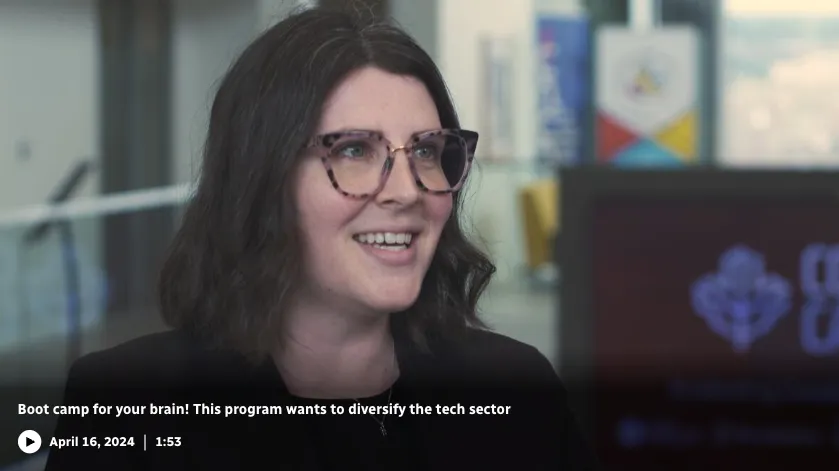
CBC Newfoundland
Coverage: Boot camp for your brain! This program wants to diversify the tech sector
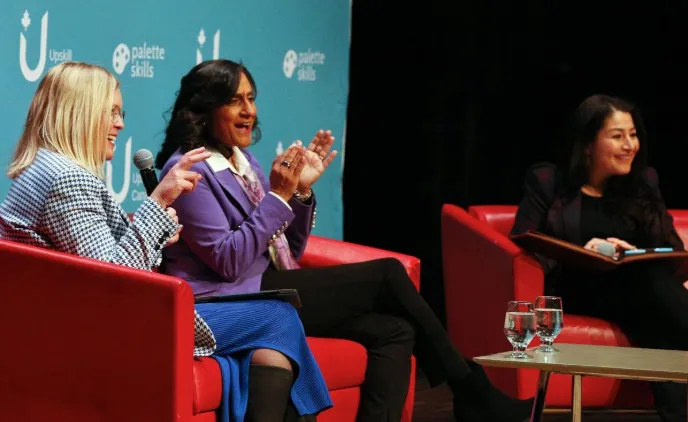
Peterborough Examiner
Coverage: Federally-funded program to help ‘underrepresented’ find high-tech jobs
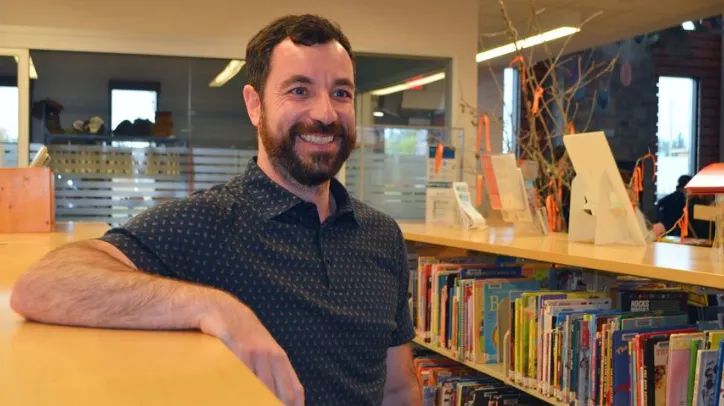
CBC Thunder Bay
Coverage: New bootcamps will help develop Thunder Bay’s
tech workforce
The Outcome
Code to Career met its program target in full — 800 individuals trained across Canada, within the specific demographic commitments outlined in the original grant proposal.
That number matters more than it looks on paper. These weren’t warm leads handed off by an established brand. They were individuals from communities that needed to trust a program before they’d raise their hand for it, recruited through a campaign built from scratch, on a compressed timeline, with no existing awareness to build on.
The campaign also generated national media coverage and meaningful government engagement across three levels, outcomes that extended the program’s credibility well beyond its paid media footprint.
Employment outcomes faced real headwinds from mass layoffs and broader economic conditions during the program period, a challenge the funder acknowledged given the external circumstances. Navigating that reality publicly, while maintaining the program’s credibility and the integrity of the partnership, was part of the work too.
Ready to talk about what community-driven marketing could look like for your organization?