
Career Collective
Brand Identity Development
Canada Learning Code
The Challenge
While holding the role of Director, Marketing and Communications at Canada Learning Code, our team developed an MVP for a new product and needed a brand identity quickly; one that could package the concept compellingly enough to validate whether it was something the market actually needed.
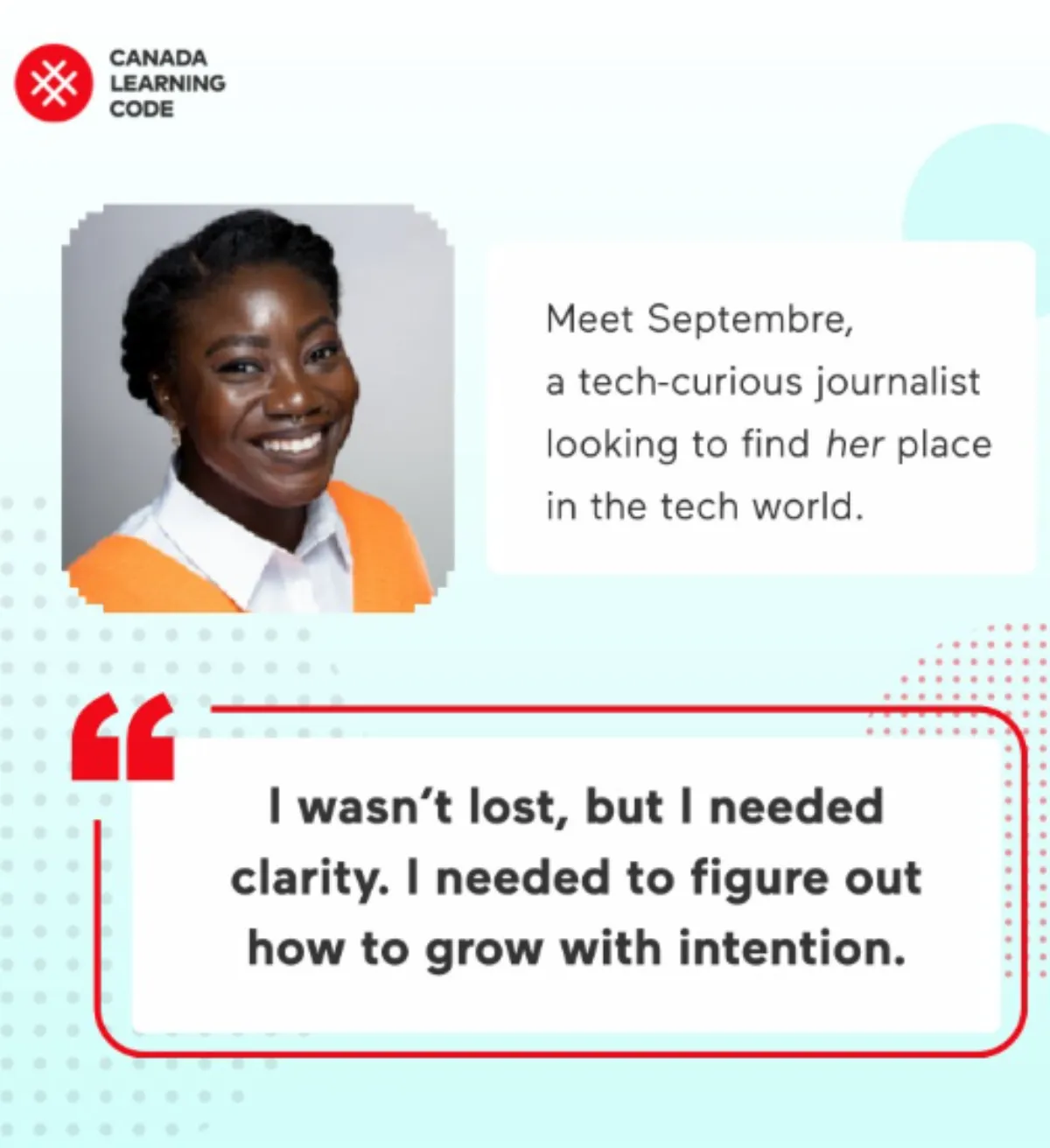
The product itself had a clear and specific audience: individuals from equity-deserving communities navigating real barriers to career growth. That meant the brand couldn’t default to corporate polish or generic professional imagery. It needed to feel accessible, welcoming, and credible all at once, for people who may have historically felt overlooked or intimidated by institutions that were supposed to help them.
My Role
As Director of Marketing & Communications, I originated the concept name, developed the visual identity direction, and drove the creative strategy from the ground up. This wasn’t a project handed to an agency; the brand came from inside, built on existing design assets that weren’t being used anywhere and shaped into something new and purposeful.
The
Name
Naming started with a deliberate constraint: avoid anything that forced the word “community.” The thinking was straightforward — community isn’t something you create, it’s something that emerges from the people in it. A name that announced itself as a community would feel presumptuous before the product had earned it.
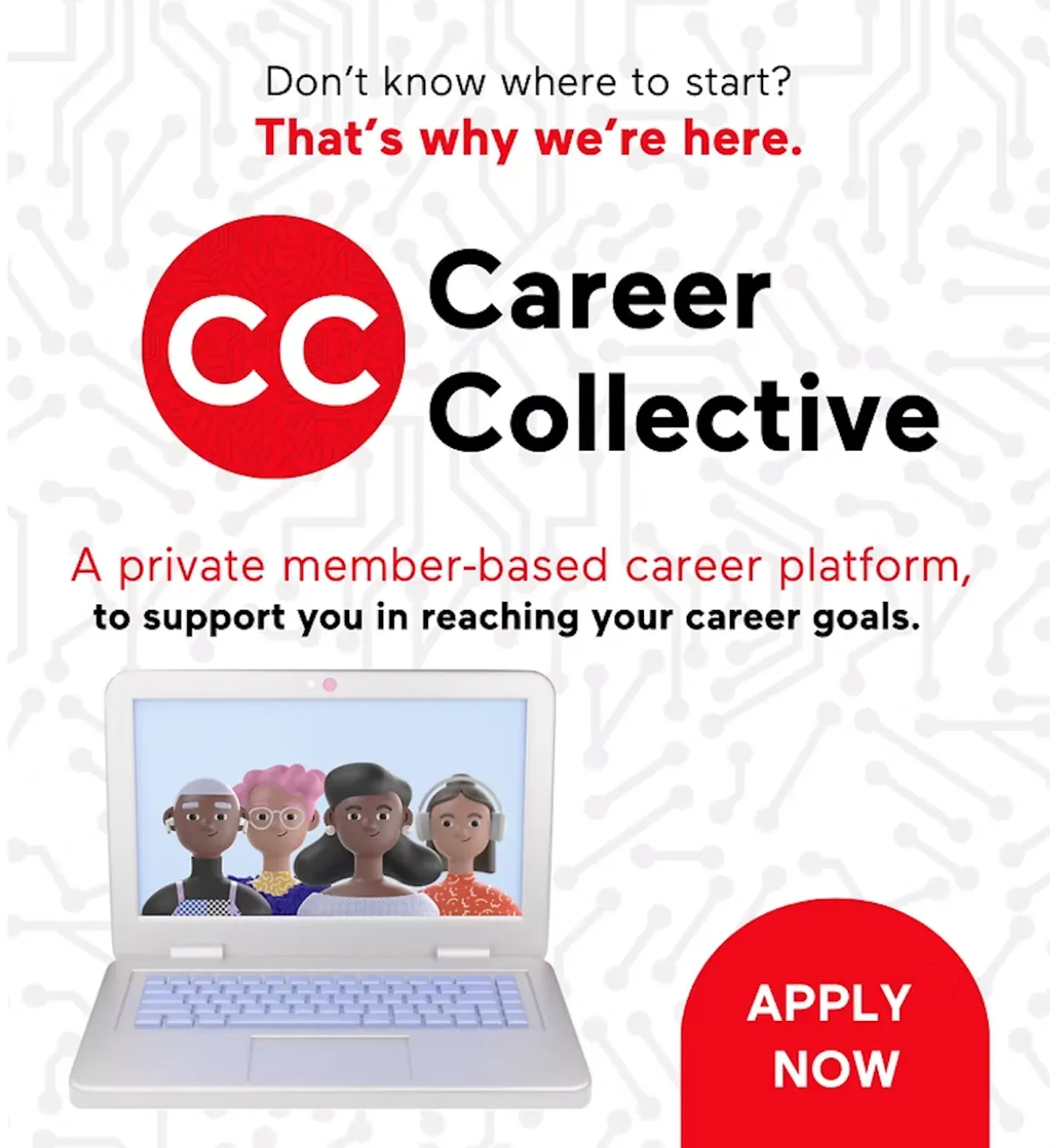
After narrowing a longlist to three finalists with input from staff across the organization, Career Collective emerged as the name that best conveyed what the product was actually offering: a purposeful gathering of people working toward shared goals, without overpromising on belonging before it had been built.
The
Approach
The visual identity direction was built around a core tension: how do you represent diversity authentically without reducing people to demographic checkboxes?
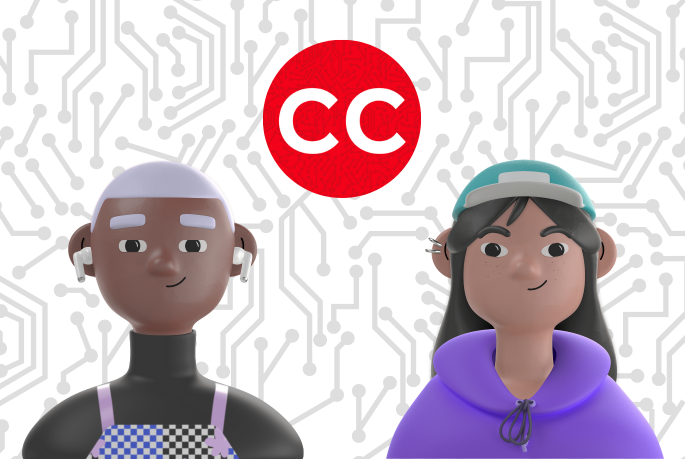
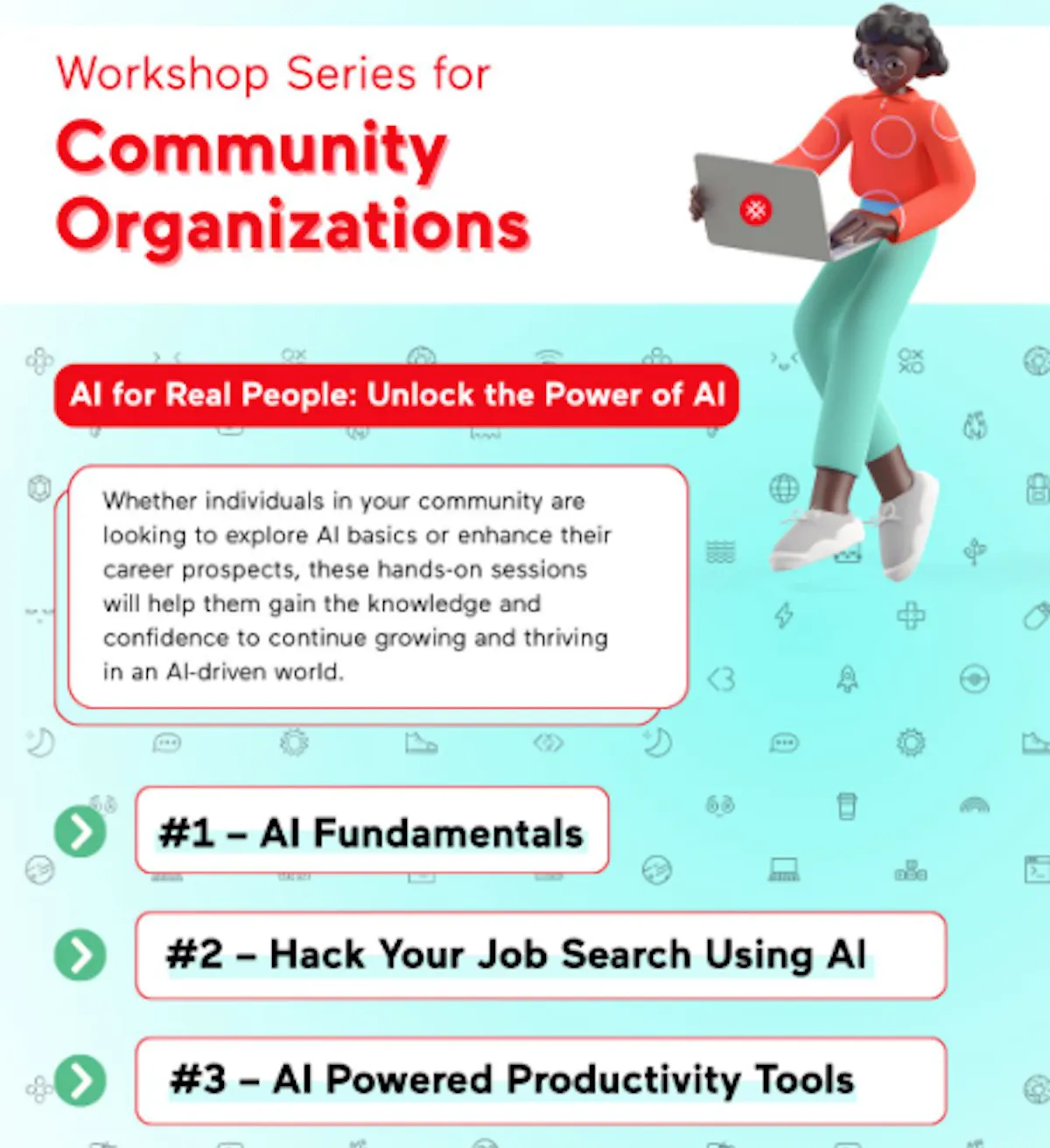
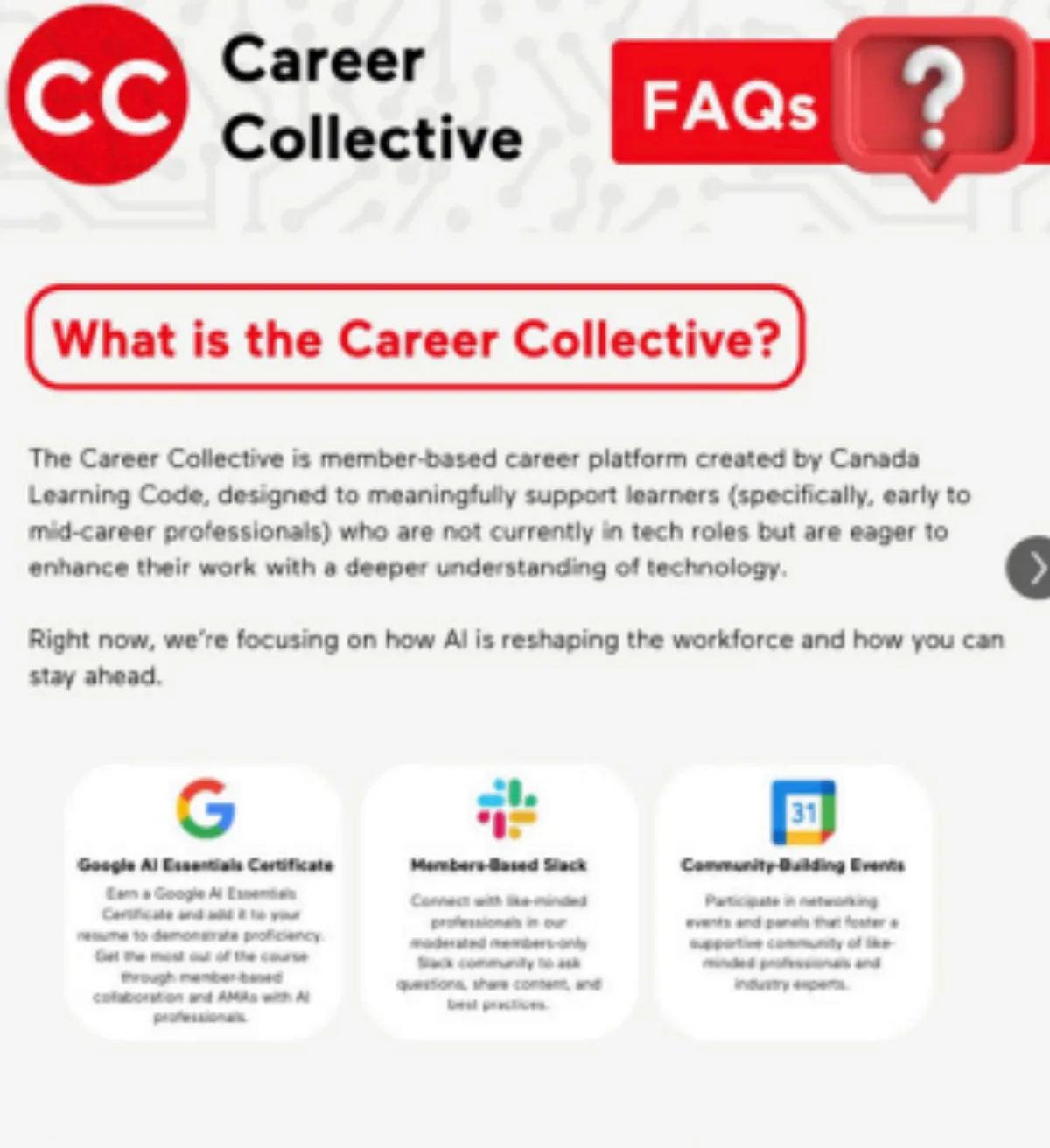
The answer was 3D avatar-style characters, diverse, approachable, and deliberately non-intimidating. Rather than featuring “real” people of specific backgrounds, the characters conveyed inclusivity through warmth and variety without the risk of tokenism or misrepresentation. A circuit-inspired background subtly nodded to the technology context without making the brand feel technical or exclusionary for audiences who don’t come from a tech background.
The creative tone followed the same logic. Vibrant, personable, and deliberately informal, not because the work wasn’t serious, but because the audience had often been failed by institutions that prioritized looking serious over being accessible. The language and visuals were built to foster a sense of belonging from first contact.
The brand balances professional credibility with genuine approachability. Casual, not intimidating, and as intended from the start, a little fun.
The full creative direction was captured in documented brand guidelines and a language style guide, the latter informed by a DEI framework to ensure the brand used inclusive language consistently and intentionally, reflecting the communities Career Collective was built to serve.

The Outcome
Validation began with 100 Canada Learning Code “mega-fans”; existing community members invited to pilot the platform and determine whether Career Collective was something the market actually needed.
It was. After a three-month pilot, the product moved into full launch. Membership reached 250 within eight months and crossed 500 at the 18-month mark. The brand developed for an MVP is still in use today, which is its own kind of endorsement.
Ready to talk about what a brand built for the long term could look like for yours?